Salt Air and Open Roads: The Ultimate East Coast Coastal Drive from Cape Cod to the Florida Keys
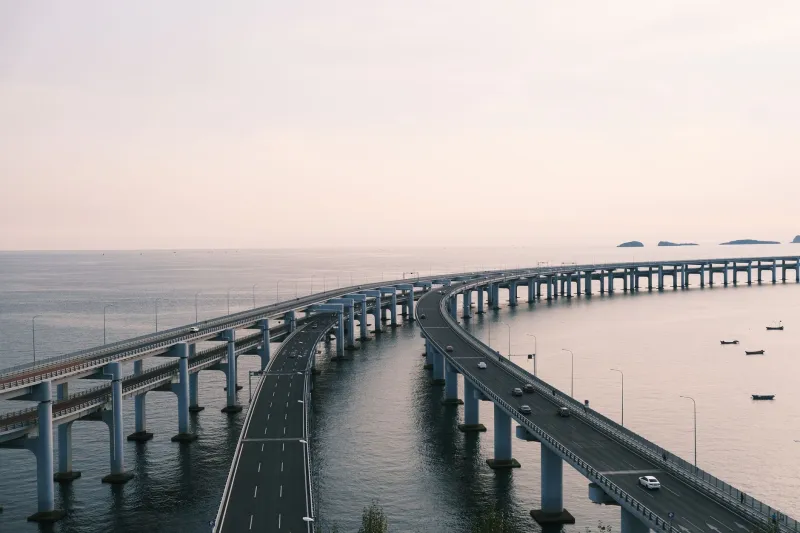
There's a certain kind of traveler who can't look at a map without tracing the coastline. If that's you — if you've ever pulled off a highway just because you spotted a flash of blue water between the trees — then this road trip was made for you.
Stretching roughly 1,700 miles from the sandy elbow of Cape Cod down to the sun-bleached streets of Key West, America's Atlantic seaboard is one of the most rewarding drives on the continent. Not because it's fast or efficient (it's neither), but because every bend in the road drops you into a different chapter of American maritime life. Fishing villages. Ferry docks. Tidal marshes. Shrimp boats rusting beautifully in the afternoon light. This is the route that rewards the curious and punishes the hurried.
Here's how to do it right.
Start Where the Land Runs Out: Cape Cod, MA
Most road trips begin at a gas station. This one starts at the edge of the continent.
Provincetown, perched at the very tip of Cape Cod, is the kind of place that feels like it shouldn't exist — a thriving, wildly creative community balanced on a narrow strip of sand surrounded by open Atlantic. Spend at least two nights here. Walk the breakwater at sunrise. Book a whale-watching trip out of MacMillan Pier (humpbacks are frequently spotted from April through October), and eat a bowl of clam chowder that will ruin every other chowder for the rest of your life.
Before you leave the Cape, detour through Wellfleet and Chatham — quieter towns where working oyster farmers still harvest from the same tidal flats their grandparents did. Local seafood markets here will sell you a dozen oysters for what you'd pay for one at a Manhattan restaurant.
Rhode Island and Connecticut: The Underrated Middle
Most drivers blow through New England's smaller coastal states on their way to somewhere else. Don't make that mistake.
Narragansett, Rhode Island is a legitimate gem — a laid-back beach town with serious surf culture and some of the freshest seafood on the entire East Coast. Stop at a waterfront clam shack and try the stuffies (that's stuffed quahog clams, for the uninitiated). Then swing through Newport, where Gilded Age mansions perch dramatically above the Atlantic and the harbor still buzzes with sailing culture year-round.
In Connecticut, Mystic Seaport deserves more credit than it gets. This living maritime museum isn't just for school field trips — it's a genuinely fascinating window into 19th-century seafaring life, complete with tall ships you can actually board.
The Jersey Shore to the Outer Banks: Miles of Barrier Island Magic
Cross into New Jersey and resist the urge to speed through. Long Beach Island and Cape May are both worth a full day each. Cape May, in particular, is one of the most charming Victorian seaside towns in the country — and it sits at the mouth of the Delaware Bay, where you can catch a ferry across to Lewes, Delaware, cutting a nice chunk off your drive while adding a genuine maritime experience to the journey.
From Delaware, hug the coast through Maryland's Eastern Shore (Assateague Island, where wild ponies roam the beach, is non-negotiable) and drop into Virginia Beach before making the turn toward North Carolina's Outer Banks.
The Outer Banks might be the single most dramatic stretch of this entire route. These narrow barrier islands — some barely wide enough for a two-lane road — sit exposed to the full force of the Atlantic. The lighthouses here are legendary: Cape Hatteras, the tallest brick lighthouse in the country, is worth climbing if your legs are up for it. And at the northern end of the Banks, the Wright Brothers National Memorial at Kitty Hawk gives you a moment to appreciate that humans were crazy enough to try to fly from this windswept stretch of sand.
Here's a pro tip: take the Cedar Island Ferry across Pamlico Sound instead of backtracking inland. It's a 2.5-hour crossing that feels like a genuine voyage and deposits you in a part of coastal North Carolina most tourists never see.
South Carolina's Low Country: Slow Down, You're Here
If there's one section of this drive where you absolutely cannot rush, it's South Carolina's Low Country.
Beaufort and the surrounding sea islands operate on their own unhurried clock, and the landscape — live oaks draped in Spanish moss, tidal creeks threading through miles of marsh grass — is unlike anything else on the Eastern Seaboard. The Gullah Geechee culture, rooted in the traditions of enslaved West Africans who worked these coastal plantations, is still alive and vibrant here. Seek out local guides and cultural experiences rather than just passing through.
Hilton Head is fine if you like golf and resort amenities, but for something more authentic, push on to Edisto Island or Hunting Island State Park, where the beaches feel genuinely wild and the fishing pier puts you right over the water at sunset.
Georgia's Golden Isles: The South's Best-Kept Secret
Georgia only has about 100 miles of coastline, but it punches well above its weight. The Golden Isles — Jekyll Island, St. Simons Island, and Cumberland Island — are a loose collection of barrier islands with distinct personalities.
Jekyll is laid-back and bike-friendly, with a fascinating Gilded Age history (America's wealthiest families once wintered here in private). Cumberland Island is accessible only by ferry and has no paved roads — just wild horses, undeveloped beaches, and the ruins of the Carnegie family's Dungeness mansion crumbling photogenically into the forest. Take the ferry from St. Marys and give yourself a full day.
Florida: The Long, Glorious Descent
Once you cross into Florida, the whole vibe shifts. The light gets softer. The water turns that impossible shade of green. The pace of life, already pretty relaxed, drops another gear.
Amelia Island is a graceful introduction — a small barrier island with a Victorian downtown, excellent shrimping heritage, and beaches that face both the Atlantic and the Cumberland Sound. Further south, St. Augustine (the oldest continuously occupied European settlement in the US) earns a half-day stop before you continue down toward the Space Coast.
But the real drama begins when you hit the Florida Keys. Crossing the Overseas Highway — 113 miles of two-lane road hopping from island to island on a series of bridges, with open water on both sides — is one of the most surreal driving experiences in America. Pull over at Bahia Honda State Park for a swim. Stop in Marathon for a slice of authentic Key lime pie. And when you finally roll into Key West, park the car and leave it.
Key West is a town built for walking and wandering. Watch the sunset from Mallory Square with the rest of the crowd, then slip away to a side street and find your own quiet corner of the island. You've earned it.
Planning Your Trip: A Few Practical Notes
Best time to go: Late spring (May–June) hits the sweet spot before summer crowds and hurricane season. Fall (September–October) is also excellent, especially in New England as the light turns golden.
How long to allow: Three weeks is the minimum to do this properly. Four weeks is better. Two weeks will leave you feeling like you rushed everything.
What to pack: Layers for New England, sunscreen for everything south of Virginia, and a cooler. Always a cooler. You'll want to buy fresh seafood along the way and not have to eat it immediately.
Ferry crossings worth booking: Cape May–Lewes, Cedar Island–Ocracoke, and the Cumberland Island ferry from St. Marys all add maritime texture to the journey and are worth planning around.
The Atlantic coast isn't just a backdrop for this road trip — it's the whole point. Let the ocean set the pace, follow the smell of salt air, and don't be afraid to pull over when something looks interesting. That's how the best stories on this drive get made.