Low Tide, Big Discoveries: Exploring the Pacific Northwest's Most Spectacular Tide Pools
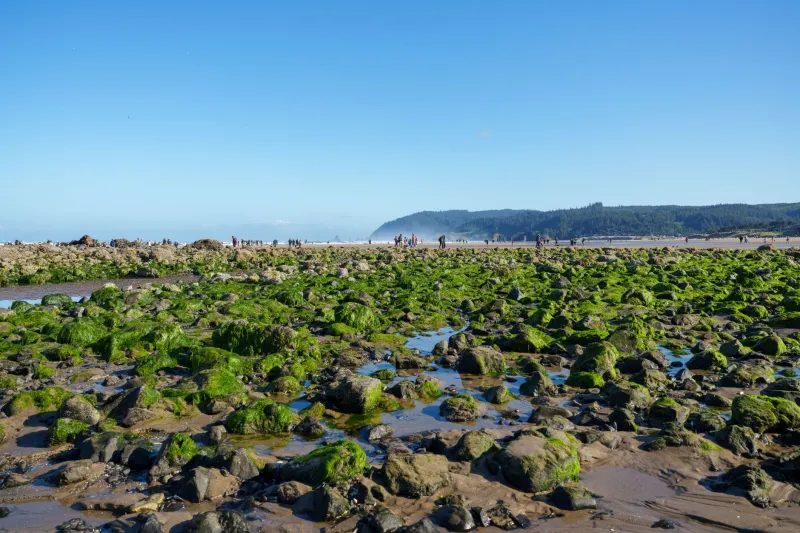
There's something almost magical about watching the ocean pull back and reveal what's been hiding beneath the surface all along. Tide pools are exactly that — little windows into a world most of us never get to see without scuba gear or a submarine. And along the Oregon and Washington coastlines, these rocky intertidal zones are among the richest, most biodiverse on the entire planet.
Whether you're driving the Oregon Coast Highway (US-101) or winding your way through Washington's Olympic Peninsula, a tide pool road trip through the Pacific Northwest is one of those experiences that genuinely earns the word "unforgettable." Best part? It costs almost nothing and requires zero special skills.
Why the Pacific Northwest Is a Tide Pool Paradise
The Pacific Northwest hits a kind of geological and ecological jackpot when it comes to intertidal life. Cold, nutrient-rich water surges up from the deep ocean through a process called upwelling, feeding enormous food webs that start with microscopic plankton and end with sea stars the size of dinner plates. Add in dramatic rocky shorelines carved by volcanic activity and centuries of wave action, and you've got the perfect architecture for thriving tide pool ecosystems.
Unlike sandy beaches, which shift and resettle with every storm, these rocky outcroppings stay put — giving marine life a stable foundation to anchor, burrow, and bloom. The result is an almost theatrical layering of life, zone by zone, from the splash zone at the top all the way down to the low-tide pools where the rarest creatures hang out.
When to Go: Timing Is Everything
Here's the thing about tide pooling — you can't just show up whenever you feel like it. The best experiences happen during minus tides, when the ocean retreats further than usual and exposes pools that are normally submerged. These negative tide events (measured in feet below mean lower low water) happen a few times a month, usually in the early morning during summer.
Before you hit the road, download a tide chart app like Tide Alert or check NOAA's official tide predictions at tidesandcurrents.noaa.gov. Look for days when the low tide dips below 0.0 feet — ideally -1.0 or lower. Pair that with a clear morning, and you're in for something special.
Spring and summer are generally the sweet spot for Pacific Northwest tide pooling. The minus tides tend to fall during daylight hours, the weather is more cooperative, and the pools are teeming with activity. That said, a crisp fall morning at a quiet tide pool, with mist rolling off the water and almost no other visitors around, has its own kind of magic.
The Must-Visit Spots Along Oregon's Coast
Haystack Rock, Cannon Beach — This iconic 235-foot sea stack is probably Oregon's most photographed landmark, and for good reason. The pools surrounding its base are absolutely packed with purple sea urchins, hermit crabs, and ochre sea stars. Volunteer naturalists from the Haystack Rock Awareness Program are often on-site during low tides to answer questions, making it a great stop for families.
Cape Perpetua, Yachats — If you want dramatic scenery alongside your tide pooling, Cape Perpetua delivers. The rocky shelves here expose some genuinely deep pools during minus tides, and the area is part of a protected marine reserve. Look for giant green anemones, chitons, and the occasional nudibranch hiding in the crevices.
Boardman State Scenic Corridor — Running along a particularly wild stretch of southern Oregon coast, this underrated corridor offers secluded rocky beaches with minimal crowds. It takes a bit more effort to reach some of the access points, but the solitude and the quality of the pools make it well worth the hike.
Washington's Olympic Peninsula: The Wildest Shores
Cross into Washington and the coastline gets even wilder. The stretch of coast within Olympic National Park is one of the most remote and ecologically intact shorelines in the lower 48, and the tide pools here reflect that.
Rialto Beach and Hole-in-the-Wall — A two-mile walk north from Rialto Beach brings you to Hole-in-the-Wall, a natural sea arch carved through a massive rock headland. The pools on either side are extraordinary — look for leather sea stars, turban snails, and occasionally a curious harbor seal checking you out from offshore.
Kalaloch and Ruby Beach — These easily accessible spots along US-101 offer a gentler introduction to Olympic coast tide pooling without requiring a long hike. Ruby Beach in particular has beautiful rock formations and consistently good pools during low tide events.
Tongue Point, Salt Creek Recreation Area — Considered by many marine biologists to be among the finest tide pool sites in Washington, Tongue Point sits near the Strait of Juan de Fuca and offers remarkable diversity. The pools here can feel like a living aquarium, with sea stars, anemones, sculpin fish, and limpets all sharing the same rocky real estate.
What You'll Find in the Pools
Even casual visitors are usually stunned by the variety of life packed into these small ecosystems. Here's a quick rundown of what to watch for:
- Purple sea urchins — spiny, abundant, and oddly satisfying to spot
- Ochre sea stars — the classic orange-and-purple starfish of every Pacific Northwest postcard
- Giant green anemones — wave your hand near one and watch it contract; it's weirdly satisfying
- Hermit crabs — always on the move, always entertaining
- Chitons — prehistoric-looking mollusks that cling to rocks like armored slugs
- Sculpin fish — masters of camouflage hiding in plain sight on the pool floor
- Nudibranchs — tiny, wildly colorful sea slugs that look like something from a fantasy novel
How to Explore Without Wrecking the Place
Tide pools are resilient, but they're not indestructible. A few simple habits make a big difference:
Watch where you step. Walk only on bare rock or sand — never on organisms. One misplaced boot can crush years of growth.
Look, don't touch. It's tempting to pick things up, but handling marine animals stresses them and can damage protective coatings. Admire from a respectful distance.
Leave everything where you found it. Shells, rocks, and living creatures all belong in the ecosystem. Taking them disrupts the balance.
Be aware of sneaker waves. The Pacific Northwest coast is famous for unexpected large waves that can catch visitors off guard. Always keep an eye on the water and never turn your back on the ocean.
Check for protected areas. Many of the best tide pool sites fall within marine protected areas or national park boundaries where additional rules apply. A quick check before you go keeps you on the right side of the regulations.
Pack Smart, Explore Longer
A few practical items make the experience significantly better: waterproof boots or old sneakers (wet rocks are slippery), a small hand lens or magnifying glass for getting a closer look at tiny creatures, a tide chart, sunscreen, and layers — Pacific Northwest mornings can be chilly even in July. A field guide to Pacific Coast tide pool life is worth throwing in the bag too; there are excellent options available for under $20.
The Takeaway
Tide pooling is one of those rare activities that manages to be simultaneously relaxing and genuinely thrilling. You're not battling rapids or scaling cliffs — you're crouching down beside a pool of water and having your mind completely blown by what lives inside it. Along the Oregon and Washington coasts, the sheer abundance and variety of marine life turns every low tide into its own kind of adventure.
So next time you're mapping out a Pacific Northwest road trip, build in a few minus-tide mornings. Park the car, lace up your waterproof shoes, and let the ocean show you what it's been hiding. We promise it won't disappoint.