Forget the Cruise Terminal: America's Best-Kept Harbor Towns Worth the Detour
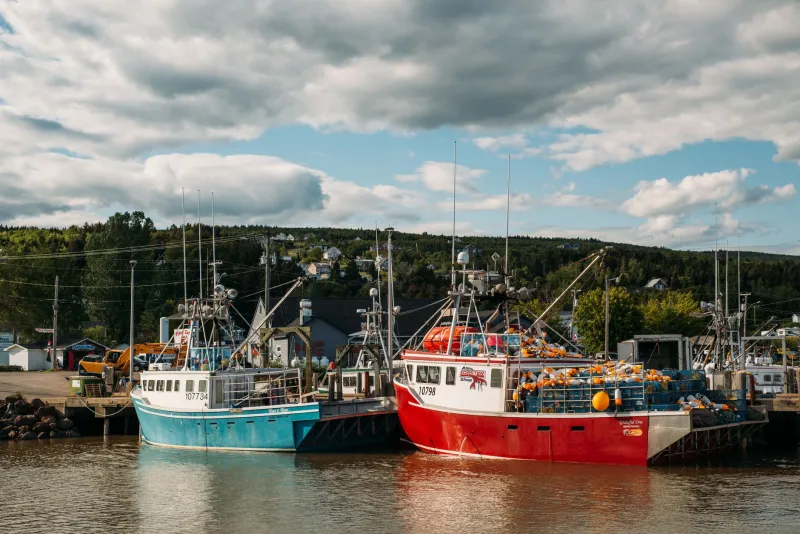
There's a particular kind of magic that happens in a town where the waterfront still belongs to the people who work it. Not the polished, pedestrian-mall version of coastal life — but the real thing. Lobster traps stacked six feet high on the dock. A guy in waders who's been pulling crab pots since before sunrise and is now eating a breakfast sandwich on the tailgate of his truck. A diner where the specials board changes based on what came in that morning.
These towns exist. You just have to know where to look — and be willing to drive past the exit for the resort with the lazy river.
Why the Overlooked Ports Are Worth Your Time
America's coastline stretches over 95,000 miles when you count every bay, inlet, and tidal creek. The cruise ships and travel influencers have claimed maybe a few dozen of those miles. The rest? Wide open for the curious traveler who'd rather eat at a picnic table on a working pier than wait 45 minutes for a table at a waterfront restaurant that serves the same lobster bisque you'd find in any airport.
The hidden harbor towns on this list aren't hidden because they're hard to reach. They're overlooked because they've never tried that hard to be found. That's exactly the point.
Stonington, Maine — Where Lobstering Is Still a Way of Life
Sit on the ferry dock in Stonington on a Tuesday morning in June and count the lobster boats heading out. It won't take long before you lose track. This small fishing village on Deer Isle, connected to the mainland by a bridge that feels like it might be made of wishful thinking, is one of the most productive lobstering ports in the entire state of Maine — which is saying something.
There are no chain restaurants here. There's a general store, a handful of galleries run by artists who moved here decades ago and never left, and Fisherman's Friend Restaurant, where the fish chowder is thick enough to stand a spoon in. Walk the docks in the late afternoon when the boats come back in and nobody's going to shoo you away. Ask questions. People here are proud of what they do, and they'll tell you about it.
The town is also a jumping-off point for Isle au Haut, part of Acadia National Park, accessible only by mail boat. That alone should sell it.
Apalachicola, Florida — The Oyster Capital Nobody's Talking About Enough
Most Florida road-trippers race down I-95 or crawl along US-1 toward the Keys without ever swinging through the Panhandle's forgotten coast. That's a shame, because Apalachicola — a small port town on the Gulf — is quietly one of the most interesting places in the state.
The town made its name on oysters. The Apalachicola Bay estuary produces some of the finest wild oysters in the country, and the local oystermen who work the bay with long-handled tongs are part of a tradition that goes back generations. The industry has had its struggles in recent years — water rights disputes, environmental pressures — which makes talking to the people here feel even more meaningful. These aren't folks performing coastal culture for visitors. They're living it, fighting for it.
Wander down Commerce Street, which runs right along the river, and you'll find an honest-to-goodness working waterfront mixed in with a few good bars and a bookshop that's been there forever. The Owl Café is a local institution. Order the oysters. Order more oysters.
Westport, Washington — The Pacific's Scrappy Little Fishing Port
On the southern Washington coast, where the Columbia River meets the Pacific and the weather does whatever it wants, Westport sits at the end of a long peninsula like it's daring you to make the drive. You should make the drive.
This is a commercial fishing and charter fishing town through and through. The harbor is packed with boats, the air smells like salt and diesel and something frying somewhere, and the Seafood Center on the waterfront sells crab, salmon, and albacore tuna pulled from the Pacific waters just offshore. Grab a crab cocktail from one of the take-out windows and eat it on the dock while the sea lions argue with each other about forty feet away.
Westport doesn't have a spa. It doesn't have a rooftop bar. It has a lighthouse you can climb, a surf scene that draws a devoted crowd to the consistent beach breaks nearby, and a genuine fishing culture that's been here since the cannery days. That's more than enough.
Tangier Island, Virginia — A Place That Exists on Its Own Terms
Getting to Tangier Island requires a ferry ride across the Chesapeake Bay, and that ferry ride alone tells you something important: you're going somewhere that's made a deliberate peace with being a little inconvenient to reach.
Tangier is a small island community of around 400 people whose ancestors were crabbers and watermen, and whose descendants still are. The island has its own accent — a distinctive brogue that linguists have spent years studying — and a pace of life that has almost nothing to do with the mainland. Golf carts and bicycles handle most of the transportation. The main street is narrow enough that you could reach out and touch the houses on both sides.
The soft-shell crab season here is legendary. Watermen harvest crabs right at the moment they shed their shells, a process that requires constant attention and generations of know-how. Hilda Crockett's Chesapeake House has been serving family-style meals to visitors for decades — crab cakes, clam fritters, corn pudding — and it is, without exaggeration, one of the better meals you can have on the East Coast.
Go before the season ends. Go before the rising Chesapeake swallows a little more of the shoreline. Go while it's still there.
Tips for Visiting Working Harbor Towns
A few things worth keeping in mind before you pull into any of these places:
- Go on a weekday if you can. Weekend visitors are fine, but you'll have better conversations and more elbow room at the dock on a Wednesday.
- Ask before you photograph. Fishermen working the docks are doing their job, not posing for your travel blog. A quick "mind if I grab a photo?" goes a long way.
- Eat local, even when it's casual. The paper-plate crab shack beats the upscale seafood bistro every time in towns like these. Follow the locals.
- Stay a night. Day-tripping is fine, but the real rhythm of a fishing town reveals itself early in the morning and late in the afternoon when the boats move. You need to be there for both.
The ocean doesn't care about your follower count or your travel itinerary. Neither do the people who make their living on it. Show up humble, stay curious, and you'll find that the best coastal experiences in America aren't waiting at the end of a gangway from a cruise ship — they're down a two-lane road, at the end of a dock, in a town you almost didn't bother to visit.