Still Above Water: America's Most Accessible Shipwrecks You Can Explore Without a Tank
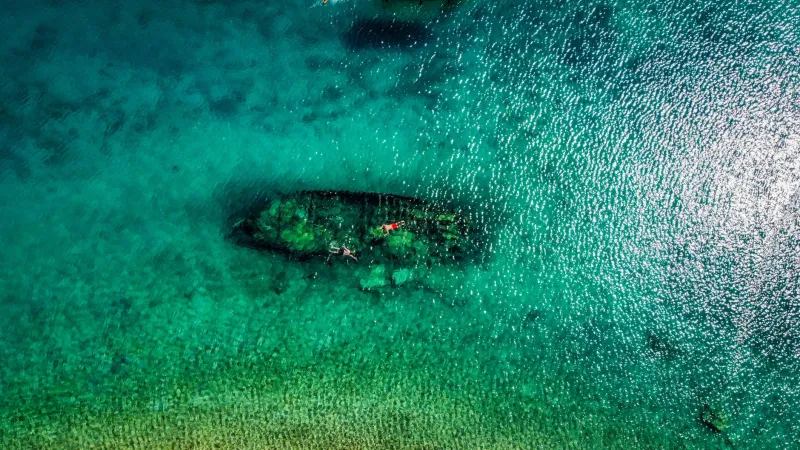
There's something about a shipwreck that short-circuits the brain in the best possible way. The rusted hull, the silence where engines once roared, the strange beauty of something massive and powerful reduced to a skeleton in the shallows — it's the kind of thing that makes you stop scrolling and start paying attention.
Here's the part most people don't know: you don't need to be a certified diver to experience it. All along America's coastlines, from the Gulf of Mexico to the Pacific Northwest, there are wrecks sitting in shallow water or half-beached on sandbars that anyone with a snorkel mask, a kayak, or even just decent water shoes can reach. Some are barely submerged at low tide. Others poke dramatically above the surface like rusted monuments to bad luck.
These aren't museum exhibits. They're raw, real, and sometimes a little dangerous — which is kind of the whole point.
The SS Palo Alto, Aptos, California
Start on the central California coast, where a concrete ship — yes, concrete — has been slowly dissolving into Monterey Bay since it was beached here as a fishing pier attraction back in 1930. The SS Palo Alto was a World War I-era vessel built during a steel shortage, and it never quite found its purpose before ending up permanently grounded at Seacliff State Beach.
Today it's technically off-limits to walk on (the structure is genuinely unstable), but the shallow water surrounding it is prime snorkeling territory. Leopard sharks cruise the sandy bottom nearby, and the barnacled hull provides cover for rockfish and lingcod. At low tide, the ship's ghost rises dramatically from the water — a perfect photographic backdrop that most California visitors never even know exists.
Practical note: Seacliff State Beach charges a day-use fee. Parking fills up fast on summer weekends, so aim for a weekday morning visit.
The Sapona, Bimini — and Why the Florida Side Matters
Okay, technically the Sapona sits in Bahamian waters, but hear us out: this one is so accessible from South Florida that it deserves a mention for any coastal wanderer working the Keys or Miami corridor. A concrete cargo ship from the same WWI-era building boom, the Sapona was beached near Bimini during a 1926 hurricane and has been sitting in about 15 feet of water ever since.
For travelers already exploring the Florida Keys by boat or charter, a day trip to Bimini is a legitimate adventure. The wreck is snorkeler-friendly, brilliantly clear, and loaded with marine life. It's become an informal reef.
Back on US soil, the waters around Key West and the Lower Keys hold several accessible shallow wrecks, including the deteriorating remains of vessels that didn't survive hurricane season. Local dive shops like Lost Reef Adventures can point you toward spots appropriate for snorkelers — no certification required.
The Peter Iredale, Warrenton, Oregon
Not every wreck requires getting wet. The Peter Iredale ran aground on the Oregon coast in 1906 and has been rusting on the beach at Fort Stevens State Park ever since. Four skeletal bow ribs still rise from the sand, and at low tide you can walk right up and touch them.
It's one of the most photographed shipwrecks in the country, and for good reason — the combination of dramatic Pacific surf, moody coastal light, and a century of weather-beaten iron makes for the kind of image that doesn't need a filter. Sunrise visits are particularly special when fog rolls in from the ocean and the wreck disappears and reappears in the mist.
Fort Stevens State Park is open year-round, and the wreck is always accessible on foot. Just watch the tides and don't let the surf sneak up on you.
The Mulberry Harbor Remnants, Normandy... Wait — Try Chesapeake Bay
Less dramatic than Normandy but far more reachable for East Coast explorers, the Chesapeake Bay holds a surprising collection of old vessels deliberately sunk as breakwaters, including the Ghost Fleet of Mallows Bay in Maryland. This stretch of the Potomac River contains the remains of over 100 vessels, many of them wooden steamships from World War I.
The Ghost Fleet is accessible by kayak — and that's really the ideal way to see it. Paddling through the cluster of half-submerged hulls feels genuinely eerie and extraordinary. Some wrecks have been colonized so thoroughly by vegetation that they've become floating islands. Eagles nest in the trees growing out of old engine rooms.
Mallows Bay–Potomac River National Marine Sanctuary offers a boat launch and kayak rentals nearby. The sanctuary designation means the site is protected, so you're looking, not touching. That said, the visual experience more than makes up for the hands-off approach.
How to Visit Responsibly
Shipwrecks, even the accessible ones, aren't playgrounds in the conventional sense. A few things worth keeping in mind before you go:
Check local regulations first. Some wrecks sit within marine sanctuaries or protected areas where touching, collecting, or even anchoring nearby is prohibited. A quick call to the local parks office or a conversation with a nearby dive shop will save you a headache.
Tides are everything. Many of these sites are dramatically different at low versus high tide. Research the tidal schedule for your visit and plan accordingly. Some spots that look approachable at low tide become genuinely dangerous when the water rises.
Bring the right gear. For snorkeling sites, a good mask, fins, and a wetsuit (especially in the Pacific) make the difference between a magical experience and a miserable one. For kayak-access wrecks, a dry bag for your phone and a personal flotation device are non-negotiable.
Leave it as you found it. Marine life colonizes these wrecks over time, and that ecosystem is fragile. Don't remove anything, and try not to kick up sediment near coral or sponge growth.
The ships are already down. The least we can do is visit them like we mean it.