America's Underwater Forests: Why Kelp Ecosystems Are the Next Great Adventure Frontier
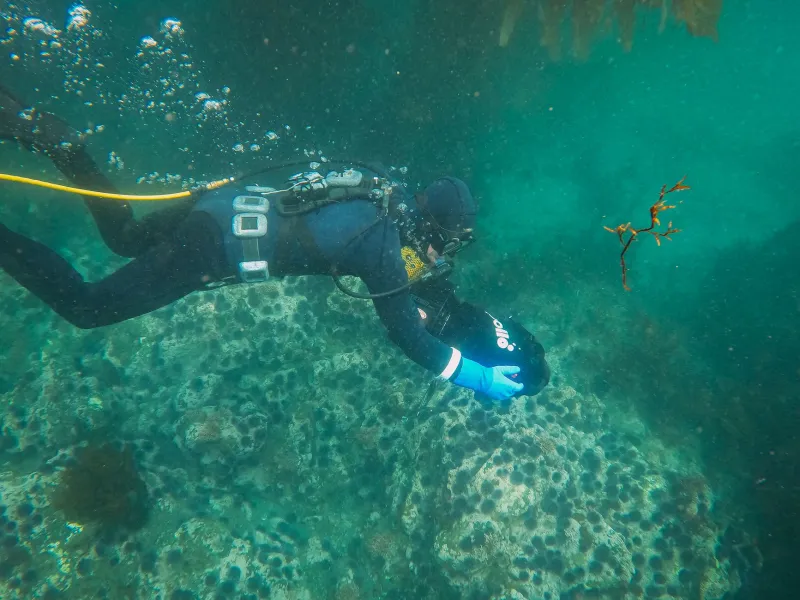
Picture this: you drop below the surface and suddenly you're surrounded by towering amber columns stretching sixty feet toward the light above. Beams of sunlight filter through a canopy of swaying fronds. Leopard sharks cruise lazily past your fins. A sea otter, unbothered and totally at home, rolls through the kelp like it owns the place — because honestly, it kind of does.
This is life inside a kelp forest, and it's one of the most jaw-dropping experiences the American coastline has to offer. The trouble is, these ecosystems have been quietly disappearing for decades. The good news? They're coming back — and travelers who care about the ocean are a big reason why.
What Makes Kelp Forests So Special
Kelp isn't just seaweed. Giant kelp (Macrocystis pyrifera), which dominates the waters off California, is one of the fastest-growing organisms on the planet — capable of shooting up two feet in a single day under the right conditions. It forms the structural backbone of an entire underwater world, sheltering more than 800 species of marine life along the West Coast alone.
Think of it like a coastal rainforest, but underwater. There are layers to it — a sunlit canopy, a mid-water column thick with fish and invertebrates, and a seafloor carpeted with urchins, abalone, and nudibranchs in colors that seem too vivid to be real. The biodiversity is staggering, and the ecological services kelp provides — carbon sequestration, wave buffering, nursery habitat for commercially important fish — are genuinely irreplaceable.
On the East Coast, kelp species like Saccharina latissima (sugar kelp) and Laminaria digitata thrive in the cold, nutrient-rich waters from Maine down through Cape Cod. These Atlantic forests are smaller and less dramatic than their Pacific counterparts, but they're equally vital — and equally vulnerable.
The Threats Nobody's Talking About
Sea surface temperatures are rising. Urchin populations — natural grazers that normally keep kelp in check — have exploded in many areas due to the collapse of their predators, particularly sea otters and sunflower sea stars. The result in some regions has been what marine biologists grimly call "urchin barrens" — stretches of seafloor stripped bare, ghostly and silent where forests once thrived.
Northern California lost more than 95% of its bull kelp canopy between 2014 and 2019, a collapse so dramatic it restructured entire coastal food webs. Similar declines have been documented in the Gulf of Maine, where warming waters are pushing kelp northward and leaving behind degraded habitat.
But here's where the story gets interesting — and where travelers come in.
Restoration Projects Worth Knowing (and Visiting)
Across the country, a growing network of scientists, nonprofits, and coastal communities is fighting back. And many of these restoration sites are open to curious visitors.
The Reef Check California Program trains volunteer divers to monitor kelp forest health up and down the state's coastline. You don't need a science degree — just an open-water certification and a willingness to log data underwater. Monitoring dives happen regularly near popular spots like Catalina Island, the Monterey Peninsula, and the Channel Islands. It's citizen science meets underwater adventure, and the data collected directly informs restoration priorities.
The Nature Conservancy's Kelp Forest Challenge, active along the Northern California coast, has been experimenting with strategic urchin removal to give recovering kelp a fighting chance. Volunteer dive programs have popped up through organizations like Reef Check and local dive shops in Mendocino and Sonoma counties — places that also happen to be stunning destinations in their own right.
On the East Coast, Maine Sea Grant and the Island Institute are running kelp aquaculture trials that double as restoration research. The Penobscot Bay area around Rockland and Deer Isle is becoming a hub for this work, and a handful of local outfitters now offer guided snorkel and dive tours of active restoration zones.
Planning a Kelp Forest Road Trip
If you want to build a coastal road trip around kelp exploration, the options are genuinely spectacular.
Pacific Coast Highway, California: Start in San Diego, where La Jolla Cove offers some of the most accessible kelp diving in the country — literally a short walk from a parking lot. Work your way north through the Monterey Bay National Marine Sanctuary, which protects one of the healthiest remaining kelp systems on the West Coast. Point Lobos State Natural Reserve, just south of Carmel, is often called the "crown jewel of the California state park system" — and its underwater kelp gardens are a huge part of why. Cap the trip in Mendocino, where restoration work is actively underway and the rugged coastline feels genuinely wild.
The Maine Coast: Route 1 through midcoast Maine is already one of America's great coastal drives, but add a dive or snorkel stop and it becomes something else entirely. Outfitters in Rockport and Castine offer cold-water guided dives through kelp beds that feel almost primordial. Bring a dry suit — the water is cold even in summer — and you'll be rewarded with visibility that the warmer Pacific rarely matches.
How to Dive In (Even If You're Not a Diver)
You don't have to be a certified scuba diver to experience kelp forests. Snorkeling works beautifully in shallower areas, and many of the best spots in California — La Jolla, Lovers Point in Pacific Grove, the kelp beds off Avalon on Catalina — are accessible to confident swimmers with a mask and fins.
For those who want a more structured experience, several organizations offer "snorkel with a scientist" programs where guides explain what you're seeing in real time. It's the kind of context that transforms a pretty swim into something that actually sticks with you.
Kayaking above kelp forests is another underrated option. On a calm day, paddling over a kelp canopy and peering down through the fronds into the green-gold depths below is genuinely otherworldly. Outfitters in Monterey, Santa Barbara, and along the Maine coast offer guided kayak tours that incorporate kelp ecosystem education.
Leave It Better Than You Found It
Kelp forests are resilient — that's part of what makes restoration work so hopeful — but they're also sensitive. If you're diving or snorkeling in a kelp forest, the rules are simple: don't touch, don't collect, and don't anchor on the reef. Many dive boats now use mooring buoys specifically to protect seafloor habitat.
Beyond that, consider supporting the organizations doing the actual restoration work. Groups like Reef Check, The Nature Conservancy, and Ocean Conservancy all have programs tied directly to kelp recovery. Even a small donation funds monitoring dives, urchin removal, and the science that guides where restoration efforts go next.
The ocean gives us a lot. These underwater forests — ancient, productive, and surprisingly fragile — ask for very little in return. Show up, pay attention, and leave them better than you found them. That's the whole deal.
And if you're lucky, somewhere between the leopard sharks and the sea otters and the light filtering down through sixty feet of living kelp, you'll understand exactly why people are fighting so hard to bring these places back.