Glow Time: The Traveler's Guide to North America's Most Dazzling Bioluminescent Waters
There's a moment — usually somewhere between dipping your hand into warm, dark water and watching it erupt in shimmering blue-green light — when you stop questioning whether you're actually awake. Bioluminescent waters do that to people. They short-circuit your brain in the best possible way. And the good news? You don't have to book a flight to some far-flung corner of the globe to experience it. North America has some genuinely spectacular spots where the ocean puts on its own light show, no electricity required.
Why Does the Water Glow?
Before we get into the where, let's spend a quick second on the why — because honestly, the science makes the experience even cooler.
The glow is produced primarily by microscopic organisms called dinoflagellates, single-celled plankton that emit light when disturbed. Think of it as a defense mechanism — when a wave crashes, a fish swims by, or a kayak paddle slices through the water, these tiny creatures fire off a burst of blue-green light. In high concentrations, the effect is nothing short of otherworldly.
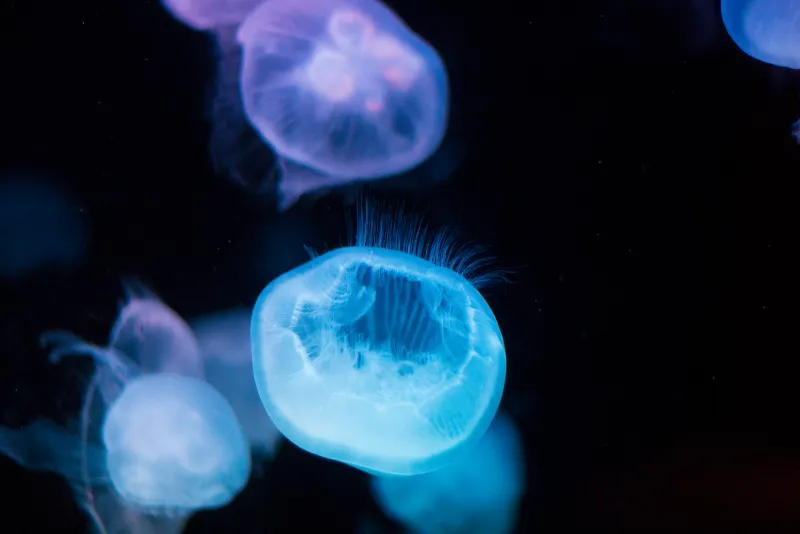
Other marine organisms contribute too, including certain species of jellyfish, sea worms, and even some types of bacteria. But it's the dinoflagellates — particularly Pyrodinium bahamense in tropical waters and Noctiluca scintillans in cooler regions — that tend to create the most dramatic displays.
The intensity of the glow depends on several factors: water temperature, nutrient levels, the density of the plankton bloom, and crucially, how dark the surrounding environment is. A full moon can wash the effect out almost entirely, which is why most experienced glow-chasers plan their trips around the new moon.
The Puerto Rican Trifecta (Yes, You've Heard of It — But It's Worth It)
Let's acknowledge the elephant in the room. Puerto Rico's bioluminescent bays are famous for a reason. Mosquito Bay on Vieques is consistently rated one of the brightest bioluminescent bays on the planet, and Laguna Grande in Fajardo and La Parguera in Lajas round out an impressive trio on the island.
Mosquito Bay owes its legendary glow to a rare combination: a narrow channel that traps dinoflagellates inside the bay, warm water temperatures year-round, and surrounding mangroves that feed nutrients into the water. Tours here typically run by kayak or electric boat (gas-powered engines are banned to protect the ecosystem), and on a moonless night, the water can glow bright enough to see the outline of your hand several feet below the surface.
If you haven't been, go. Just book ahead — tours fill up fast, especially in winter months when mainland travelers are fleeing the cold.
Beyond Puerto Rico: The Spots Most People Miss
Here's where it gets interesting for the true ocean wanderer. Puerto Rico gets the headlines, but there are bioluminescent experiences scattered across the continental US and beyond that rarely make the travel roundups.
Tomales Bay, California About an hour and a half north of San Francisco, Tomales Bay is a long, narrow inlet that occasionally lights up with bioluminescent plankton, particularly in late summer and fall. The phenomenon here isn't guaranteed year-round the way it is in Puerto Rico — it depends heavily on seasonal plankton blooms — but when conditions are right, nighttime kayak tours through the bay are absolutely surreal. The bay is flanked by Point Reyes National Seashore, which means almost zero light pollution. Darkness is your friend here.
Indian River Lagoon, Florida Florida's Space Coast doesn't just launch rockets. The Indian River Lagoon, stretching along the Atlantic side of the peninsula near Titusville and Cocoa Beach, hosts reliable bioluminescent displays from roughly May through October. Warm water, high nutrient content, and calm conditions make it a hotspot for dinoflagellate activity. Guided kayak tours run regularly through the summer, and some operators even offer paddleboard options for the adventurous. Bonus: you might spot manatees.
Haida Gwaii and British Columbia's Coast, Canada For travelers willing to push into Canadian waters, the Pacific Northwest coastline — particularly around Haida Gwaii and the waters near Vancouver Island — offers bioluminescent displays driven by Noctiluca scintillans, a species that tends to thrive in cooler water. The glow here tends to be more diffuse and ambient rather than the sharp blue flashes you'd see in warmer tropical bays, but the setting — ancient rainforest meeting open Pacific — adds a layer of drama that's hard to match.
Manasota Key and Charlotte Harbor, Florida Less trafficked than the Space Coast scene, this stretch of Florida's Gulf Coast also produces reliable summer bioluminescence. The calm, shallow waters of Charlotte Harbor are particularly good for paddleboard tours, and the region's laid-back vibe means you're less likely to be sharing the water with a crowd of other glow-hunters.
Planning Your Bioluminescent Adventure
Chasing glowing water isn't complicated, but a few practical details can mean the difference between an unforgettable night and a disappointing paddle through dark, unremarkable water.
Moon phase is everything. Aim for the new moon or the days immediately surrounding it. A bright moon will overpower even a decent plankton bloom.
Time your season. In Puerto Rico, displays are consistent year-round. On the mainland, late summer through early fall tends to be the sweet spot — water temperatures are at their peak, plankton populations are high, and nights are warm enough to enjoy being on the water.
Let your eyes adjust. Give yourself at least 20-30 minutes in the dark before you hit the water. Your night vision dramatically improves, and the glow will appear far more vivid.
Skip the sunscreen and bug spray. Certain chemical products can harm the plankton and reduce the glow. Many tour operators ask guests to avoid these products before entering the water, and it's a reasonable ask.
Book a guided tour first. If it's your first time, a local guide takes the guesswork out of timing, location, and conditions. Once you know what you're doing, independent kayak trips become a lot more accessible.
The Takeaway
Bioluminescent water is one of those experiences that sounds almost too magical to be real — and then you're in the middle of it, trailing light with every stroke of your paddle, and you realize that the ocean has been doing this long before anyone was around to photograph it. It doesn't need a filter. It doesn't need an audience.
It just needs you, a moonless night, and the willingness to get a little wet.