Dock Talk: Getting Real with America's Last Working Fishing Villages
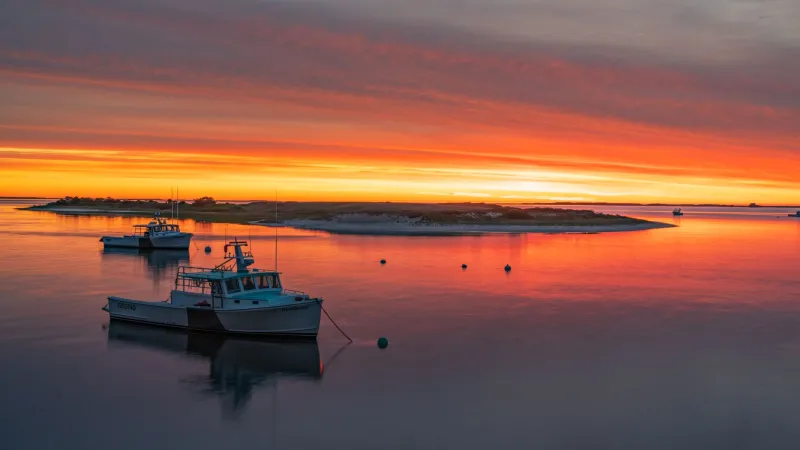
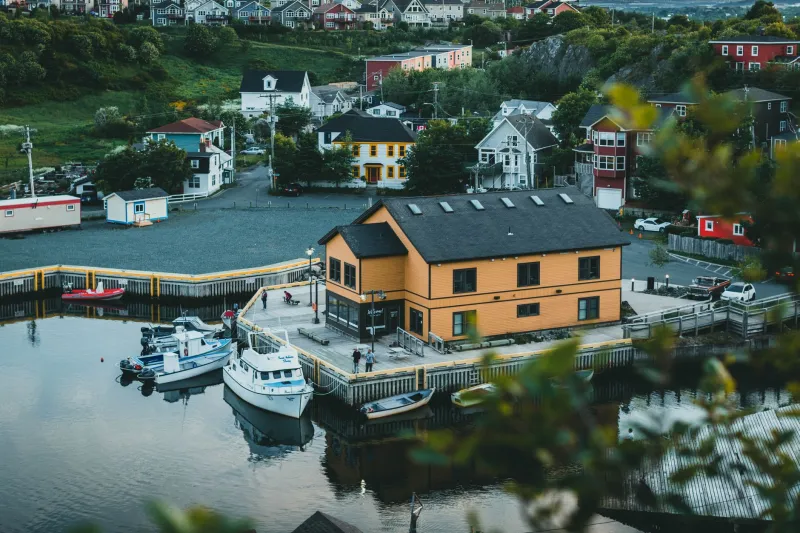
There's a version of coastal America that never made it onto a postcard. No boutique hotels, no artisanal cocktail bars with ocean views, no Instagram-ready lighthouse selfies. Just diesel engines idling before sunrise, weathered hands sorting through a morning's haul, and the kind of community that's been feeding the country for generations without much fanfare. These are America's working fishing villages, and if you know how to show up right, they'll offer you something no curated tour ever could.
The trick is simple: come as a curious guest, not a tourist. Leave the checklist at home.
Why Working Waterfronts Matter
America's commercial fishing heritage is older than the nation itself. Long before New England became synonymous with fall foliage and lobster rolls served in paper boats, the towns of Gloucester, Massachusetts, and Stonington, Maine were serious economic engines — places where fortunes were made and lost on the open Atlantic. Down south, the bayous around Houma, Louisiana and the shrimping docks of Apalachicola, Florida carry a different kind of maritime DNA, shaped by Cajun tradition, Indigenous knowledge, and the particular demands of Gulf Coast waters.
These communities aren't relics. They're still running. But they are changing, and fast. Rising costs, shifting fish populations, and competition from imported seafood have put real pressure on small-scale fishing operations. When you spend your travel dollars intentionally in these places, you're not just having an experience — you're participating in the ongoing story of American coastal life.
Start at the Dock Before Breakfast
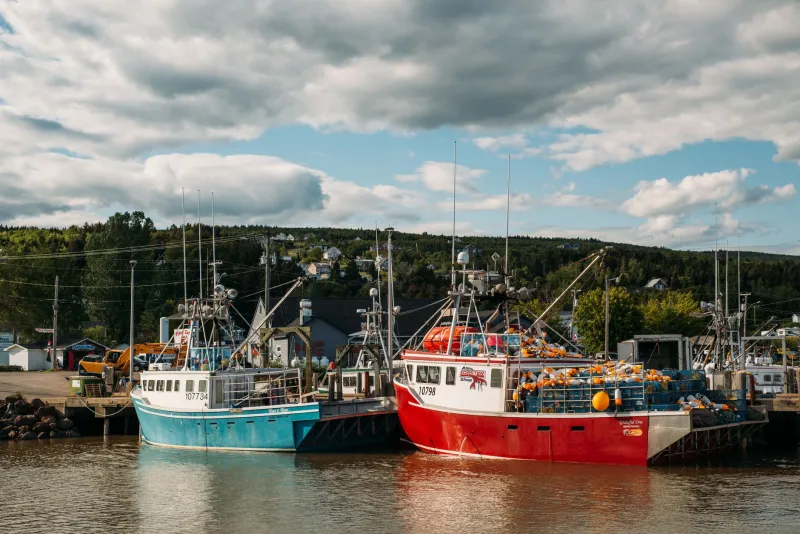
If you want to understand a fishing village, set your alarm for 4 a.m. Seriously. The working waterfront operates on a schedule that has nothing to do with hotel checkout times. In ports like New Bedford, Massachusetts — still one of the highest-grossing fishing ports in the country — boats begin offloading their catch while most visitors are still asleep. Show up at the fish pier with a coffee and a willingness to stay out of the way, and you'll witness something genuinely extraordinary: a whole economic ecosystem clicking into motion.
Many ports hold daily or weekly fish auctions where buyers from restaurants and distributors bid on fresh catch. Gloucester's auction at the State Fish Pier is one of the most accessible for curious travelers. You won't be bidding, but standing nearby and watching the process — the calling out of prices, the speed of it all, the sheer volume of fish moving through — gives you a crash course in how American seafood actually gets from the ocean to your plate.
Always ask before photographing workers or their boats. A quick, respectful introduction goes a long way.
Find the Real Seafood (Hint: It's Not on the Harbor-View Patio)
The best seafood in any fishing town is almost never served at the restaurant with the best view. Look instead for the family-run spots that fishermen themselves eat at — the kind of place with laminated menus, mismatched chairs, and a chalkboard that changes daily based on what came in that morning.
In Apalachicola, Florida, that might mean tracking down a raw oyster shack run by the same family that's been harvesting those famous Franklin County oysters for decades. In the shrimping communities around Biloxi, Mississippi, you're looking for a lunch counter where the shrimp po'boy costs less than twelve dollars and the woman behind the counter knows your order by the time you sit down for your second visit.
Ask locals where they eat. Not where they send tourists — where they eat. That single question will consistently lead you somewhere worth finding.
Talk to the People Who Actually Fish
This sounds obvious, but it requires a little courage and a lot of patience. Fishermen are busy people with physical, demanding jobs. They're not waiting around to share their life stories with passing travelers. But if you approach with genuine curiosity and zero agenda — especially during slower moments at a bait shop, a dockside diner, or a local bar in the late afternoon — conversations happen naturally.
In Stonington, Maine, the lobster co-op is a good starting point. It's a working operation where local lobstermen bring in their haul, and there's often a small retail counter where you can buy directly. Purchasing a few lobsters and asking a simple question — "How's the season been?" — can open up a real exchange. You'll hear about water temperatures, changing migration patterns, the cost of fuel, the difficulty of finding sternmen willing to do the work. You'll leave understanding something about the ocean that no nature documentary ever quite captures.
Down in the bayou country of Louisiana, towns like Delcambre — sometimes called the Shrimp Capital of Louisiana — host an annual shrimp festival that's genuinely community-driven rather than tourist-focused. But even outside of festival season, the docks there are active and welcoming to respectful visitors who want to learn.
Shop at the Source
One of the most direct ways to engage with fishing communities is to buy from them directly. Community-supported fishery programs (think CSFs, the seafood equivalent of a farm share) have popped up in ports along both coasts and the Gulf. Services like Cape Ann Fresh Catch in Massachusetts connect consumers directly with local fishing boats, cutting out the middleman entirely.
If you're road-tripping along the coast, stop at roadside fish markets and waterfront seafood shacks that source locally. Ask where the fish came from and when it was caught. In a working fishing village, a good fish market owner can tell you exactly which boat brought in the halibut you're holding, and probably knows the captain personally.
This kind of direct commerce matters. Every dollar spent at a local fishmonger instead of a chain grocery store is a small act of support for an industry that's genuinely under pressure.
Slow Down and Let the Rhythm Find You
The biggest mistake travelers make in working fishing villages is trying to experience them on vacation time. The pace here isn't leisurely — it's purposeful. Things happen early, move fast, and then go quiet. Afternoons in a fishing town can feel almost suspended, a lull between the morning's work and whatever comes next.
Lean into that. Sit on a dock and watch the water. Walk the breakwater. Poke around a marine supply store not because you need anything but because the inventory tells a story about what life out here actually requires. Notice the boats — their names, their wear, the gear stacked on their decks.
America's working fishing villages aren't asking to be discovered. They've been here the whole time, doing the work, living the life. The invitation is simply to show up with enough humility and curiosity to meet them where they are. When you do, the coast reveals a depth that no tourist trail ever comes close to touching.