Off the Beaten Shore: Hidden Coastal Towns Every Solo Ocean Adventurer Needs to Know
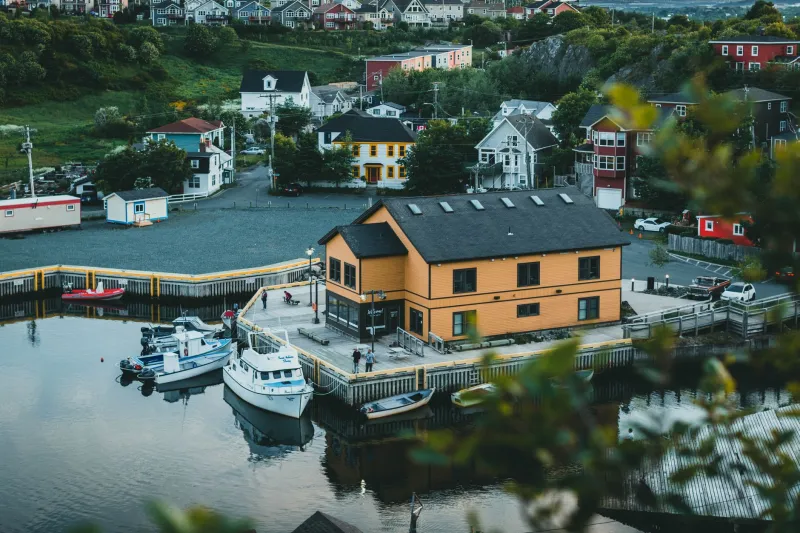
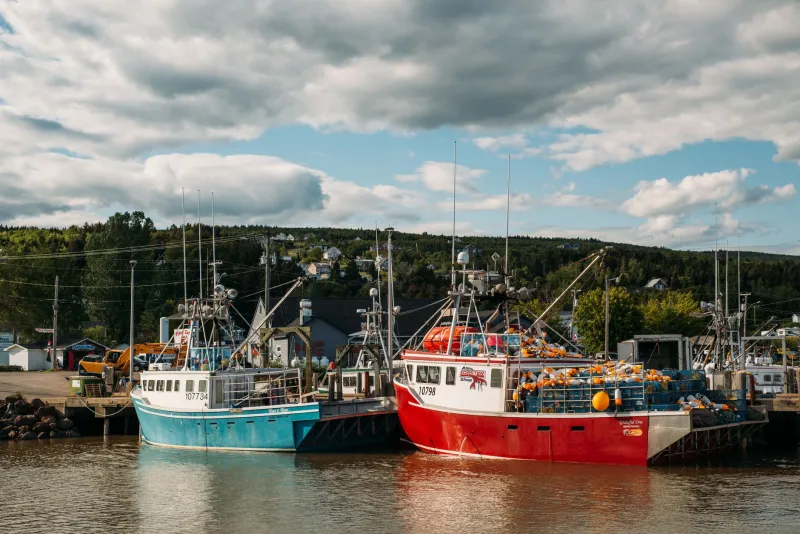
There's a certain kind of traveler who doesn't want the umbrella-packed beach. You know the type — maybe you are the type. The one who'd rather wake up to the smell of diesel and salt air near a working fishing dock than shuffle through a souvenir shop. If that sounds like you, then America's quieter coastal communities are basically your personal playground, and most of them are hiding in plain sight.
Solo travel along the coast carries its own rhythm. Without a group itinerary to answer to, you can follow the tide, linger over a bowl of chowder with a local lobsterman, or spend an entire afternoon watching pelicans work a sandbar. The trick is knowing where to go. So here's a starting point — a handful of under-the-radar shoreline towns worth routing your next road trip around.
Eastport, Maine — America's Easternmost Edge
Most people chasing Maine's coast stop at Bar Harbor and call it a day. That's their loss. Keep driving northeast — way northeast — and you'll land in Eastport, a tiny island city perched right on the Canadian border that sees some of the most dramatic tidal swings in the entire country. We're talking a 20-foot difference between low and high tide. For solo adventurers, that alone is worth the detour.
The town itself is small enough that you'll recognize faces by day two. Local outfitters run kayaking trips through the Passamaquoddy Bay, where porpoise sightings are routine and bald eagles basically commute overhead. Eastport doesn't have a lot of tourist infrastructure, which is exactly the point. You eat where the fishermen eat, you chat with artists who moved here for the light, and you fall asleep to the sound of actual ocean — not a white noise machine.
Solo tip: The Tides Institute & Museum of Art doubles as a community anchor. Stop in early — it's a genuinely good way to get oriented and meet people who actually live there.
Apalachicola, Florida — The Gulf's Quiet Gem
Florida gets written off as theme parks and spring break crowds, but the Panhandle's forgotten pocket — Apalachicola — operates on a completely different frequency. This small fishing town on the Gulf sits between two rivers and a bay, making it a natural hub for oyster harvesting, kayaking, and flat-water paddleboarding.
For solo travelers, Apalachicola has a laid-back confidence that doesn't feel performative. The historic downtown is walkable, the seafood is obscenely fresh (the oysters here are legendary for a reason), and the surrounding St. George Island State Park offers miles of undeveloped barrier island beach where you might genuinely be the only person in view.
The town hosts a handful of small outfitters who run guided fishing charters and eco-tours through the estuary. Going solo on one of these tours is completely normal — guides here are used to independent travelers and tend to be more forthcoming with local knowledge when they're not managing a big group.
Solo tip: Book accommodations mid-week if you can. Weekends draw regional visitors, but Monday through Thursday, Apalachicola has a slower, more authentic pulse.
Westport, Washington — Pacific Coast Without the Crowds
The Olympic Peninsula gets all the Pacific Northwest love, but Westport — tucked down on the Washington coast south of the Peninsula — is where serious ocean adventurers quietly go. This is a working fishing harbor, not a boutique destination, and that's what makes it magnetic.
Westport is one of the best spots on the West Coast for surfing waves that don't require a two-hour paddle to reach. The town's surf scene is unpretentious and welcoming to newcomers. Beyond that, whale watching charters run regularly out of the marina, targeting gray whales during their spring migration — a genuinely awe-inspiring experience that somehow flies under the national radar.
Solo travelers will find Westport refreshingly non-judgmental. You can rent a board, wander the jetty, grab fish and chips at a counter stool, and nobody's going to ask why you're traveling alone or try to upsell you on a resort package.
Solo tip: The Westport Maritime Museum is small but excellent — it houses a working Fresnel lighthouse lens and gives solid context for the region's deep fishing heritage.
Ocracoke Island, North Carolina — Outer Banks Without the Overhype
The Outer Banks draws enormous crowds to places like Nags Head and Kill Devil Hills, but Ocracoke — accessible only by ferry — operates in a different world entirely. Car-optional, unhurried, and genuinely remote-feeling, it's the kind of place where solo travelers can decompress completely.
The island's village is compact enough to navigate by bicycle, and the surrounding Cape Hatteras National Seashore protects miles of wild coastline. Kayaking through the Pamlico Sound side of the island is a completely different experience from the Atlantic-facing beach — calmer water, shorebird colonies, and a sense of being genuinely far from the mainland.
Ocracoke also carries real maritime history. Blackbeard the pirate met his end in these waters, and the local graveyard holds British sailors lost in WWII — washed ashore after a German U-boat attack. That layered history gives solo wanderers plenty to think about between swims.
Solo tip: The ferry from Hatteras is free and runs frequently, but the Cedar Island ferry (from the mainland) requires a reservation — plan accordingly.
How to Make the Most of Solo Coastal Travel
Beyond choosing the right destination, a few habits go a long way when you're exploring coastal communities on your own.
Talk to charter captains even if you're not booking. These folks know the water better than anyone, and an honest five-minute conversation at the dock can tell you more about conditions, timing, and hidden spots than any travel blog.
Stay in locally-owned lodging. Bed and breakfasts, small inns, and fishing cottages put you in direct contact with people who have genuine stakes in the community. The recommendations you get over breakfast are worth more than a TripAdvisor algorithm.
Respect the working waterfront. Many of these towns are still active fishing communities, not just scenic backdrops. Give working boats and docks a wide berth, don't block access roads, and approach locals with curiosity rather than a camera first.
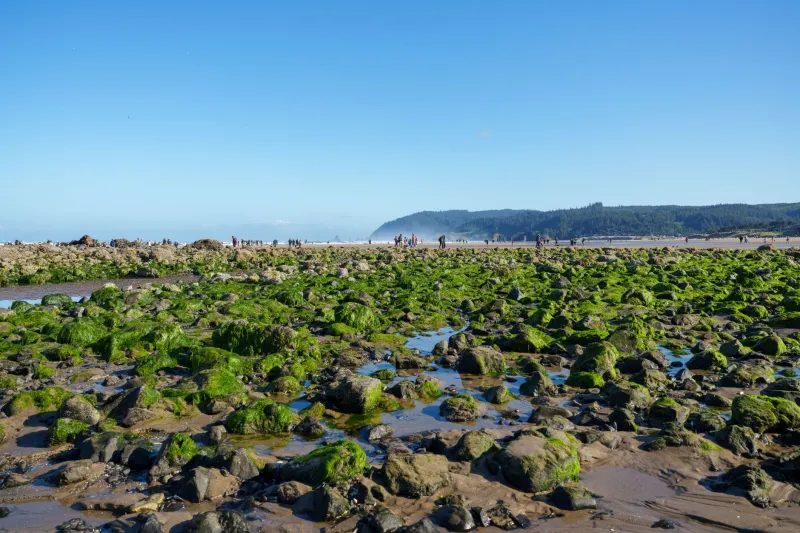
Check tide charts like a local. Whether you're kayaking, tide-pooling, or just planning a beach walk, the tide schedule shapes everything on the coast. Most of these towns have bait shops or harbormaster offices that post current information — or just ask.
The American coastline stretches for more than 95,000 miles when you count all the bays, inlets, and island shores. The idea that you've seen it because you've hit the famous spots is a little like saying you've read a book because you've seen the cover. These quieter towns are where the real chapters live — and they're waiting for the kind of traveler who actually shows up.