From the Dock to the Table: America's Best Coastal Journeys for the Seafood-Obsessed Traveler
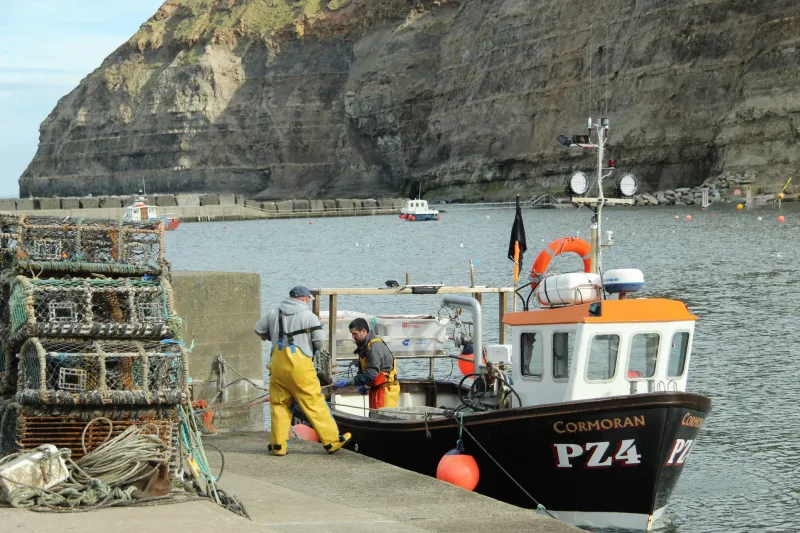
Forget the laminated tourist brochures. The best seafood experiences in America don't announce themselves with neon signs or Yelp badges. They announce themselves at 4:30 in the morning with the sound of diesel engines and rubber boots on wet concrete, with the smell of brine and coffee and something you can't quite name but will spend years trying to find again.
Food tourism is having a moment, and coastal food tourism is having an especially good one. But there's a version of this that goes deeper than farm-to-table buzzwords and curated tasting menus — a version that actually follows the food from the water up, that plants you on a working dock or in a fish auction house before it deposits you at a table with something extraordinary on the plate. That's the version worth chasing.
Here are the American coastal routes and experiences where the seafood story is told in full.
Maine's Lobster Coast: The Original Dock-to-Table Circuit
If there's a ground zero for American seafood culture, it might be the working harbors strung along the Maine coast between Portland and Eastport. This is a route, not a single destination — one that rewards slow travel and a willingness to eat the same thing prepared twelve different ways.
Start in Portland, which has evolved into one of the most exciting small-city food scenes in the country without losing its maritime identity. The city's waterfront fish exchange handles millions of pounds of product annually, and several local restaurants have formalized relationships with specific boats and captains that make the provenance of what's on your plate genuinely traceable.
But the real education happens when you leave the city. Drive Route 1 north and stop at every lobster shack that looks like it might fall into the water. In towns like Rockland, Stonington, and Jonesport, you'll find working lobstermen who run informal half-day trips that put you on the water for the actual haul — pulling traps, handling catch, and understanding in a very immediate way what sustainable harvest management actually looks like in practice.
Rockland's North Atlantic Blues Festival and annual Lobster Festival in August are the obvious draws, but the real gem is the town's year-round fish market culture. Talking to the people who sell directly off the boat gives you a completely different relationship with your dinner.
The Pacific Northwest Oyster Trail
Oyster culture in the Pacific Northwest is old, serious, and increasingly innovative — a combination that makes it one of the most rewarding food travel narratives on either coast.
Washington State produces roughly 80 percent of the country's farmed oysters, and the geography of that production is spectacular. Willapa Bay, Hood Canal, and the tidal flats of South Puget Sound are working aquaculture environments that also happen to be some of the most beautiful waterways in the continental United States.
Several oyster farms in the region have developed visitor programs that go well beyond the standard tasting. At Taylor Shellfish Farms — one of the country's largest and most respected oyster operations — guided farm tours take visitors into the actual growing environment, explaining the relationship between water temperature, salinity, and the flavor profiles that make a Kumamoto taste nothing like a Pacific or a Shigoku.
Pair the farm experience with a drive along Hood Canal, stopping at roadside oyster stands where you can buy product harvested that morning and eat it on the tailgate of your truck with nothing but a knife and hot sauce. That's the Pacific Northwest oyster experience in its purest form.
The Willapa Bay area also hosts periodic "oyster camps" — multi-day immersive experiences that combine harvesting instruction, cooking demonstrations, and conservation education around the bay's ecosystem. These fill up fast, so booking ahead is essential.
Gulf Coast: Following the Shrimp Boats in Louisiana
Louisiana's seafood culture is its own universe — shaped by French, Spanish, African, and Native American culinary traditions into something that exists nowhere else on earth. The shrimp boats working out of towns like Delcambre, Dulac, and Grand Isle are the living infrastructure of that culture, and they're increasingly accessible to travelers who want to see the operation firsthand.
Delcambre, a small shrimping community in Iberia Parish, hosts a Shrimp Festival each August that's equal parts cultural celebration and seafood marathon. But the more interesting experience is what happens the other 51 weeks of the year — the pre-dawn loading of ice at the docks, the mid-morning return of boats heavy with brown shrimp, the informal auctions that determine where the day's catch goes.
Several outfitters in the Houma-Terrebonne area now offer working shrimp boat rides — not tourist cruises, but actual commercial trips where guests help with nets and learn the mechanics of trawling. It's physical, early, and completely unglamorous in the best possible way.
From the docks, trace the catch inland to New Orleans, where the relationship between coastal harvest and restaurant culture is more explicit than almost anywhere else in the country. Chefs like those at Pêche Seafood Grill and Clancy's have built their entire identities around working directly with Gulf fishermen — and they'll tell you exactly where your redfish came from and who caught it.
The Chesapeake: Blue Crabs and the Art of the Crab Pick
The Chesapeake Bay is the largest estuary in the United States, and its blue crab fishery is both a culinary tradition and a conservation story worth understanding before you eat.
The classic Chesapeake crab pick — a newspaper-covered picnic table, a wooden mallet, Old Bay by the pound, and crabs steamed in beer — is one of the most participatory food experiences in American coastal culture. But getting to that table via the actual fishery transforms it from a meal into something closer to an education.
Crisfield, Maryland — once called the seafood capital of the world — still operates as a working crab and oyster town, though on a smaller scale than its peak. The J.M. Clayton Company, one of the oldest crab processing operations in the country, occasionally opens to visitors and offers a window into an industry that has shaped the entire social fabric of the Eastern Shore.
Watermen who work the bay are increasingly open to taking on passengers for a morning of crabbing, particularly as eco-tourism has become a supplemental income stream worth developing. Organizations like the Chesapeake Bay Foundation can connect travelers with these experiences while providing conservation context that deepens the visit considerably.
A Few Rules for Traveling This Way
Chasing seafood at the source requires a different pace than most food travel. Things happen early. Weather matters. Boats don't keep tourist schedules.
Be flexible. Show up when the fishermen show up. Eat what's running, not what you planned to order. Talk to the people at the counter of the fish market before you talk to anyone at the restaurant — they'll tell you what's actually good today, not what's been on the menu for three years.
And tip well. The margins in commercial fishing and processing are brutal. The people making your seafood experience possible are working harder than almost anyone else in the food chain.
The coast will feed you well. You just have to be willing to meet it where it lives.