Step Aboard History: America's Most Extraordinary Floating Museums
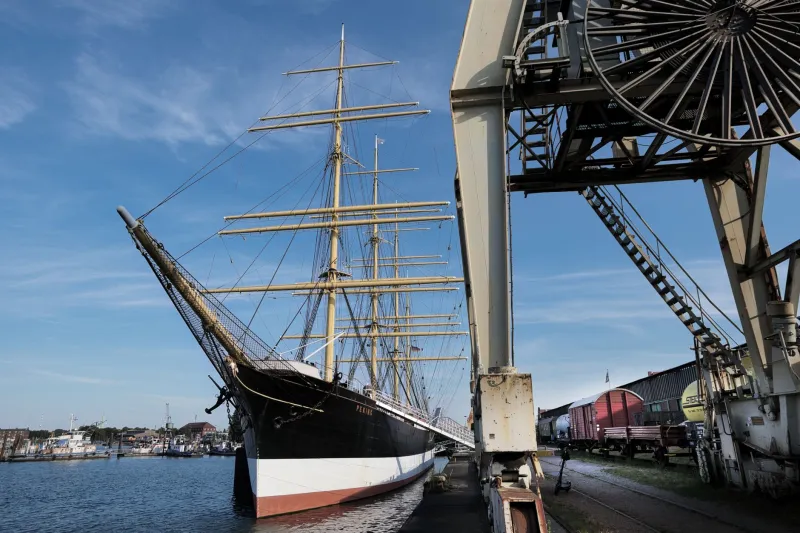
There's a particular kind of magic that happens when history stops being something you read about and becomes something you can touch, smell, and stand inside. That's exactly what America's floating museums deliver — and they do it in a way no landlocked exhibit ever could. You're not just looking at a ship through a plexiglass barrier. You're walking the same steel decks, ducking through the same narrow hatches, and breathing the same salt-tinged air as the people who actually crewed these vessels.
Across the country, a growing wave of restored ships, converted lightships, and repurposed maritime infrastructure is rewriting what a museum visit can feel like. These aren't dusty relics. They're living, floating archives — and they're worth planning a whole trip around.
The Iron Giant of the Chesapeake: USS Monitor Center, Newport News, VA
Let's start with one of the most dramatic stories in American naval history. The USS Monitor — the revolutionary ironclad that changed naval warfare during the Civil War — sank off Cape Hatteras in 1862. What you can see today at the Mariners' Museum and Park in Newport News, Virginia, is the result of decades of painstaking underwater recovery and conservation work. The actual gun turret, engine, and anchor have been raised from the deep and are preserved in an active conservation lab that visitors can watch in real time.
This isn't a replica. It's the real thing, still being slowly coaxed back from the ocean floor. Standing inches away from corroded iron that once traded fire with the CSS Virginia is genuinely arresting. Plan to spend at least half a day here — the surrounding galleries on ironclad warfare and naval technology are worth every minute.
San Diego's Floating Fleet: The Maritime Museum of San Diego
If one floating museum is good, a whole fleet is better. The Maritime Museum of San Diego operates one of the most impressive collections of historic vessels anywhere in the country — and they're all moored along the downtown waterfront, accessible with a single admission ticket.
The crown jewel is the Star of India, an 1863 iron-hulled sailing ship that is widely considered the world's oldest active sailing vessel. She still makes occasional voyages. Alongside her sits the Berkeley, a 1898 steam-powered ferryboat that served San Francisco Bay and famously helped evacuate survivors after the 1906 earthquake. Then there's the B-39, a Soviet-era submarine that visitors can crawl through — a claustrophobic and fascinating window into Cold War naval life.
The museum keeps adding to its collection, which means each visit tends to surface something new. San Diego's year-round sunshine makes this an easy add to any Southern California coastal road trip.
Lightships: The Forgotten Guardians of the Coast
Before fixed lighthouses could be built in deep or shifting waters, lightships anchored in treacherous spots and flashed their beacons to warn passing vessels. They were essentially manned floating lighthouses — isolated, storm-battered, and critically important. Most have long since been decommissioned, but a handful have survived and are now open to the public.
The Lightship Overfalls in Lewes, Delaware, is one of the best-preserved examples in the country. Operated by volunteers who are passionate about keeping her story alive, the vessel sits in a quiet marina and welcomes visitors who want to understand what life at anchor in the open Atlantic actually meant for the crews who served aboard her. Lewes itself is a gem of a coastal town — combining a visit to the Overfalls with a day exploring the Cape Henlopen State Park shoreline makes for a genuinely satisfying trip.
Out on the West Coast, the Lightship Relief in Portland, Oregon, tells a similar story from a Pacific perspective. She served multiple stations along the Pacific Northwest coast and now welcomes visitors at the Oregon Maritime Museum.
Submarine Culture: Going Deep in Groton, Connecticut
The Submarine Force Museum in Groton, Connecticut is home to the USS Nautilus — the world's first nuclear-powered submarine and the first vessel to travel beneath the North Pole. Free to visit (yes, free), the museum lets you walk through the entire length of the Nautilus, from torpedo room to crew quarters to the cramped control room where history was genuinely made.
Groton sits on the Thames River where it meets Long Island Sound, and the surrounding area has a deep submarine culture that feels authentic rather than manufactured. Local restaurants and shops lean into the naval heritage without being kitschy about it. If you're driving the New England coast, this is an easy stop between Providence and New Haven that most people inexplicably skip.
Why These Places Matter Beyond the History Lesson
It would be easy to frame floating museums purely as nostalgia trips — and sure, there's plenty of that on offer. But these vessels also anchor coastal communities in ways that go beyond tourism. They're gathering places for local historians, volunteer restoration crews, and maritime craftspeople who are keeping old skills alive. The work of maintaining a 19th-century sailing ship or a mid-century submarine requires knowledge that would otherwise disappear entirely.
Many of these museums are also doing active education work with schools, introducing kids to navigation, engineering, and ocean history in a hands-on environment that no classroom can replicate. When you buy a ticket, you're supporting all of that.
Planning Your Floating Museum Tour
If you want to build a proper floating museum road trip, the East Coast gives you the densest concentration of options. Start in Groton, work your way down through New York (the Intrepid Sea, Air & Space Museum on the Hudson is a must), hit Lewes in Delaware, swing through the Chesapeake, and finish in Baltimore at the Historic Ships in Baltimore — which includes the USS Constellation, a Civil War-era sloop-of-war, and the USS Torsk, a WWII submarine.
On the West Coast, San Diego is the clear anchor, but the Columbia River Maritime Museum in Astoria, Oregon and the San Francisco Maritime National Historical Park round out a compelling Pacific circuit.
The ships are waiting. All you have to do is step aboard.