Where the Sea Comes Back: Traveling America's Coastlines in the Middle of a Comeback Story
There's a version of ocean travel that's about escape — sunscreen, cold drinks, and the horizon doing its best impression of infinity. And that's great. But there's another version that's harder to shake once you've experienced it. It's the version where you're standing at the edge of a recovering seagrass meadow in Florida or watching volunteers lower a hand-built oyster cage into a restored Chesapeake reef, and you realize you're witnessing something genuinely rare: a place where the damage is being undone.
America's coastlines are in the middle of a complicated, messy, inspiring restoration moment. Across thousands of miles of shoreline, marine scientists, local communities, and conservation organizations are piecing ecosystems back together — and increasingly, thoughtful travelers are finding ways to be part of it.
This is a road trip guide for that kind of travel.
Florida's Coral Nurseries: The Underwater Gardens of Recovery
Florida's coral reef — the only living barrier reef in the continental United States — has taken a brutal beating over the past several decades. Disease, warming water temperatures, and human impact have devastated large sections of what was once one of the most biodiverse marine ecosystems on the planet.
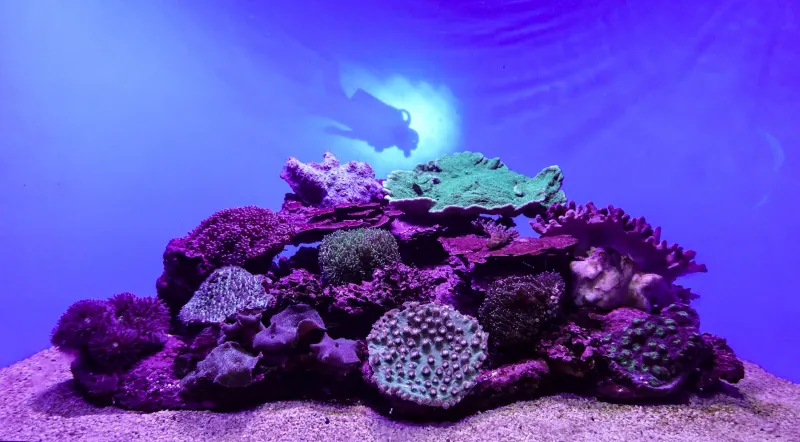
But the response has been extraordinary. Organizations like the Coral Restoration Foundation, based in Key Largo, have developed offshore coral nurseries — essentially underwater tree farms where fragments of coral are grown on hanging structures before being transplanted back onto the reef. It's painstaking, expensive work, and it's working.
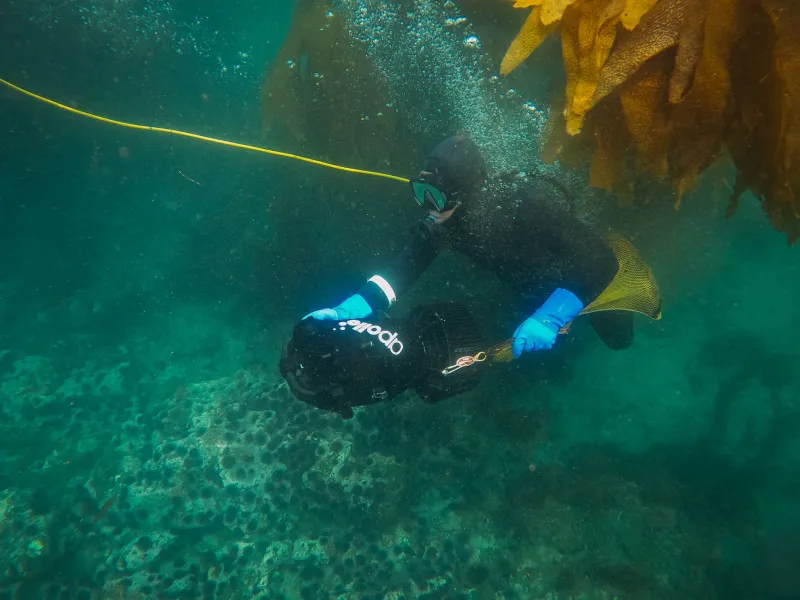
Visitors can now join restoration dives through several operators in the Florida Keys, actually participating in coral transplanting under the guidance of trained scientists. You don't need to be an expert diver — many programs offer options for both certified divers and snorkelers. The experience of pressing a coral fragment into a substrate and knowing it will (hopefully) grow there for decades is not something you forget quickly.
The Keys themselves make for an obvious road trip backbone. Drive the Overseas Highway from Key Largo to Key West and you're threading through one of the most ecologically complex corridors in North America, with restoration projects happening at multiple points along the route.
Seagrass Meadows: The Indian River Lagoon's Slow Comeback
A few hours north of the Keys, along Florida's Atlantic coast, the Indian River Lagoon is fighting its own battle. Once called the most biodiverse estuary in North America, the lagoon suffered catastrophic seagrass loss in the 2010s — losing nearly half its coverage due to algal blooms driven by nutrient pollution. Seagrass meadows are critical nursery habitat for fish, feeding grounds for manatees, and carbon sinks that help stabilize the climate. Losing them matters enormously.
The restoration effort here is large-scale and ongoing. The St. Johns River Water Management District and various nonprofit partners have been replanting seagrass and working upstream to address the nutrient pollution at its source. Manatee sightings — which dropped sharply during the worst years of seagrass loss — are gradually increasing again in certain areas.
For travelers, the best way to engage with this story is through the Brevard Zoo's Sea Turtle Healing Center in Melbourne, which rehabilitates sea turtles impacted by the lagoon's health, and through kayak ecotours that take you directly into the recovering meadow zones. Local guides here are deeply knowledgeable and genuinely passionate — the kind of people who make you want to stay longer than you planned.
Oyster Reefs: The Chesapeake's Most Ambitious Rebuilding Project
Shift north to the Chesapeake Bay and the restoration story takes on a different character. Oysters are the keystone species here — a single adult oyster filters up to 50 gallons of water per day, and historic oyster reefs once kept the Chesapeake remarkably clear and productive. Overharvesting reduced the native oyster population to a fraction of its historic levels, and the bay's water quality collapsed along with it.
The effort to bring oysters back to the Chesapeake is now one of the most ambitious marine restoration projects in the country. Organizations like the Chesapeake Bay Foundation and the Army Corps of Engineers have been building artificial reef structures and seeding them with oyster spat, while watermen and conservation groups have formed unlikely alliances around the shared goal of a healthier bay.
Annapoils, Maryland, makes an ideal base for exploring this story. The Chesapeake Bay Foundation offers educational programs and volunteer opportunities for travelers who want to get hands-on. Several local charter operators run tours of active restoration sites, and the oyster aquaculture scene in the region means you can eat your way through the recovery story at waterfront restaurants serving locally farmed shellfish — a genuinely satisfying closing argument.
Louisiana's Wetlands: A Coastline Fighting for Its Life
No discussion of American coastal restoration is complete without Louisiana, where the stakes are existential. The Mississippi River Delta is losing land at a rate of roughly a football field per hour — a combination of subsidence, sea level rise, and the consequences of a century of river management that cut off the sediment supply that historically built and maintained the delta.
The response is the largest coastal restoration effort in US history. The state's Coastal Master Plan involves massive sediment diversion projects, marsh creation, and barrier island restoration across hundreds of miles of coastline. It's a race against time, and the outcome is genuinely uncertain.
For travelers, the best entry point is the Barataria Preserve, part of Jean Lafitte National Historical Park and Preserve just south of New Orleans. Boardwalk trails wind through recovering marsh and swamp habitat, and the park offers ranger programs that explain the restoration science in accessible terms. Paddling tours through the bayou channels give you a ground-level view of what's being lost and what's being fought for.
Pair this with a visit to the Coalition to Restore Coastal Louisiana's visitor resources, and you'll leave with a much richer understanding of why this particular stretch of coastline matters to the entire Gulf ecosystem.
Traveling With Intention Along the Recovery Coast
The common thread running through all of these places is that they reward slow, attentive travel. These aren't destinations where you show up, snap some photos, and move on. They're places that ask something of you — curiosity, patience, and a willingness to sit with a complicated story that doesn't have a tidy ending yet.
A few practical notes for planning a restoration-focused coastal trip:
- Book with local operators. Eco-tour guides in restoration zones are almost universally outstanding — they know the science, they know the politics, and they care deeply about what they're showing you.
- Look for volunteer opportunities. Many restoration organizations welcome travelers who want to contribute a morning of work. It's one of the most memorable things you can do on a coastal trip.
- Time your visit thoughtfully. Spring and early fall tend to offer the best conditions for both wildlife viewing and on-the-water activities in most of these regions.
- Spend money locally. Restaurants, accommodations, and outfitters in these communities are often directly tied to the health of the ecosystems being restored. Your tourism dollars are part of the equation.
The ocean is resilient in ways that can feel almost miraculous when you see it up close. These coastlines aren't just recovering — they're inviting you to witness something that matters. That's a pretty compelling reason to hit the road.